Ranking Custom Wet Wipes for OEM: Baby, Pet, Kitchen, Clothing, Eye Care & Toilet Paper Picks
Ranking Custom Wet Wipes for OEM: Baby, Pet, Kitchen, Clothing, Eye Care & Toilet Paper Picks
Custom wet wipes are not one product. A private-label buyer who issues a single request for quotation for “custom wet wipes” usually gets back quotes that cannot be compared, because each quote assumes a different sheet size, pack count, substrate and intended use. This ranking orders seven Sunfans models by how directly each one maps to a defined application and a defined private-label brief.
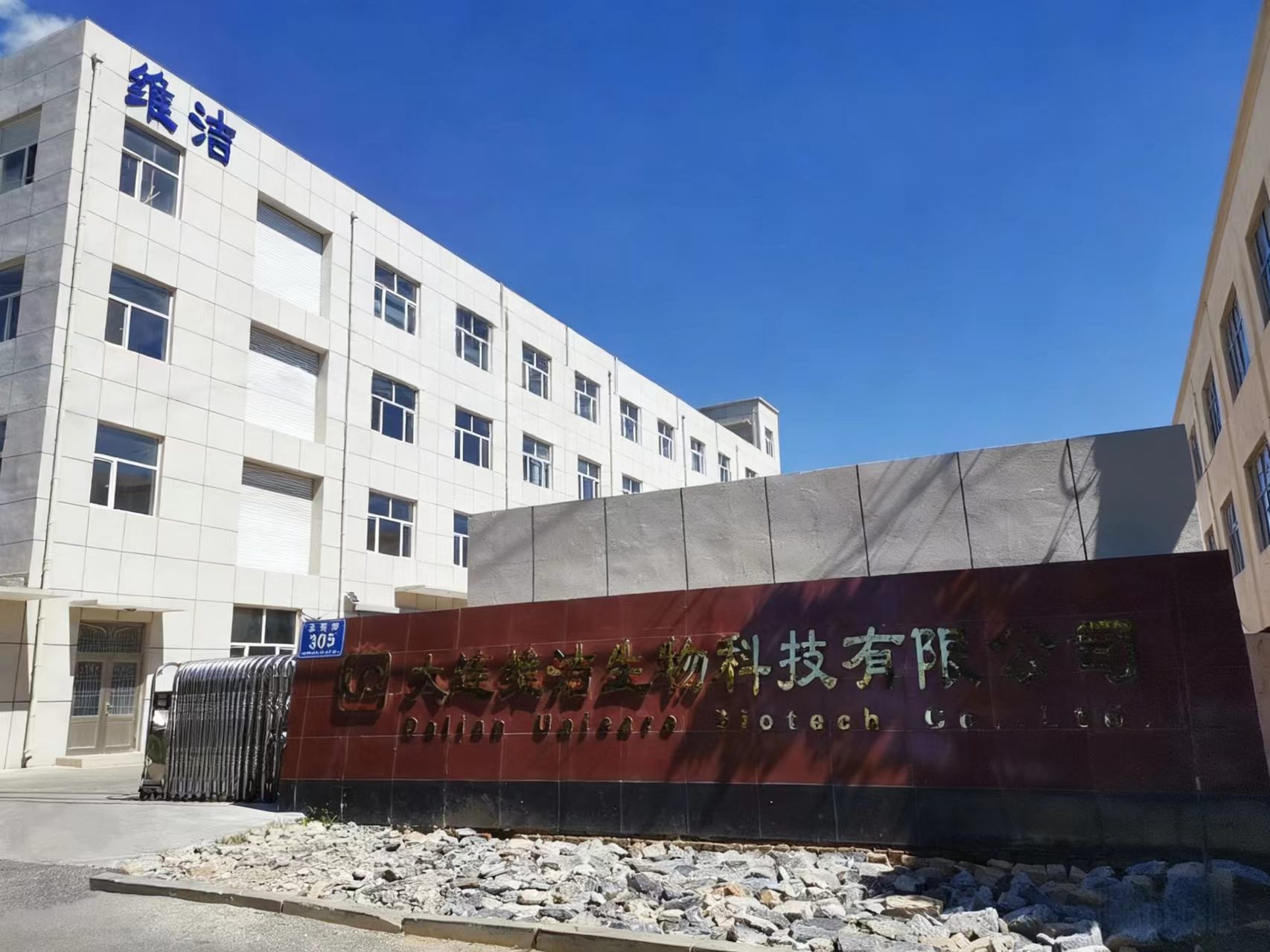
The lineup covers Y02 baby custom wet wipes, C05 pet wipes on biodegradable wood pulp non-woven, the C02–C04 pet series, S01 and S02 wet toilet paper, CF001 kitchen wipes, YW01 clothing wipes and YJ01 eye care wipes. They are produced by Da lian Weijie Biotechnology Co., Ltd., a hygiene products manufacturer established in Dalian, Liaoning in 2013 that exports 70% of its output and lists Japan, Australia, Canada, the United States and Singapore as its main markets.
Why Category-Level Sourcing Breaks Down at SKU Level
Most first-time buyers start with a category request and only later discover that the category is the wrong unit of purchase. A baby wipe, a pet grooming wipe, a kitchen surface wipe, a clothing spot wipe and a wet toilet paper format differ in sheet size, pack count, substrate, lotion expectations and — most importantly — the regulatory pathway their claims sit on.
The United States is the clearest example. Per FDA guidance, wipes intended for cleansing or moisturizing skin, including baby-care and personal-cleansing wipes, are regulated as cosmetics. Wipes that make therapeutic claims, such as killing germs on skin or treating diaper rash, are regulated as drugs. Wipes intended to control germs on inanimate surfaces fall under EPA regulation, while wipes used for cleaning objects are associated with CPSC oversight. One factory, four different compliance conversations.
Flushability adds a second trap. The same FDA guidance notes that some, but not all, wipes are labeled flushable, and the available source does not validate a specific flushability standard or test result for any supplier or product. A “flushable” line on a pack is therefore a claim to be substantiated, not a specification to be inherited.
That is the case for ranking by model. Once the intended use and the destination market are fixed, the model choice, the specification sheet and the evidence request all become concrete — and comparable across suppliers.
What the OEM Wet Wipes Market Looks Like in 2026
Demand is not the constraint. Grand View Research projects the global wet wipes market to reach USD 36.6 billion by 2030, and the pet segment alone is valued at USD 0.72 billion in 2026 with a forecast CAGR of 6.5%. For an OEM buyer, the practical implication is that application coverage — not category entry — is where private-label ranges now compete.
Regulatory and trade structure shape the sourcing map as well. Japan classifies wet wipes under HS code 3401.19.000, which is the reference buyers need when calculating duty and preparing import documentation for that market.
On the supply side, the manufacturer behind this lineup operates a 6,000 m² plant with 50 employees and an annual output of 4 million packages, supported by a 10-person R&D team and Class 100,000 cleanroom production. Seventy percent of sales are export sales into Japan, Australia, Canada, the United States and Singapore. The plant sits just over a 10-minute drive from the Port of Dalian, a positioning the company credits with reducing transport costs by approximately 20%.
How This Ranking Was Built
Four criteria, applied in order:
- Documented specification. A model ranks higher when its sheet size, pack count or substrate is stated in the source material, because those are the numbers a buyer can put into a purchase order.
- Application specificity. A model built for one identifiable use case outranks a general-purpose one, because claims, artwork and retail channel follow the application.
- Production-control evidence. Cleanroom class, microbiological testing and in-line inspection determine how much of the quality story can be documented rather than asserted.
- Supply-route fit. Export share, port proximity and repeat-order terms decide whether a first order can become a programme.
Where a model’s specification is not documented in the available material, this article says so rather than filling the gap. That is deliberate: an unverified number in an RFQ becomes a rework cost in production.
The Ranking: Seven Models by Application
1. Y02 Baby Custom Wet Wipes — 150 × 200 mm, 1 to 100 Pieces
Y02 ranks first because it is the only model in the set with two specifications a buyer can plan around: a 150 × 200 mm sheet and a pack range running from 1 to 100 pieces. A brand can build a trial pack, a standard retail pack and a bulk pack from one model instead of three, which simplifies artwork versions, barcode management and repeat-order forecasting. OEM and contract manufacturing are stated for this model, so it can be produced under the buyer’s own brand.
Baby care is also the application where the production environment is most often audited. Class 100,000 cleanroom production and a microbiological tripartite laboratory for microbiological control are the two controls to request evidence for before an infant SKU is confirmed, particularly for the Japan, Australia, Canada, United States and Singapore markets this supplier exports to.
Best for: newborn and infant ranges, mother-and-baby retail, and multi-pack programmes where one sheet size has to serve several pack formats.
2. C05 Pet Custom Wet Wipes — Biodegradable Wood Pulp Non-Woven
C05 is the only model in the lineup whose substrate is described as biodegradable wood pulp non-woven fabric, and it is produced under Class 100,000 cleanroom conditions. For a grooming chain or pet retailer being asked what the wipe is made of, that is a concrete answer rather than a vague environmental gesture, and it supports an eco-positioned pack inside an otherwise conventional pet range.
Two cautions belong next to that advantage. A biodegradable description of the substrate is a materials statement, not a certification, so request product-specific test documentation and confirm the claim wording is acceptable in the destination market before it goes on pack. And keep the copy on cleaning and odour removal rather than treatment, so the SKU stays a cleaning product in every market where it is sold.
Best for: eco-differentiated pet retail, grooming chains building a premium tier, and export ranges where substrate transparency is part of the pitch.
3. C02–C04 Pet Custom Wet Wipes — The Series Behind C05
C02, C03 and C04 sit in the same pet series as C05. Their individual sheet sizes, substrates and pack counts are not fixed in the material used for this article, so they are ranked as a family rather than as separate entries — and any RFQ should specify them per model rather than assuming they inherit C05’s specification.
The commercial value of the family is a price ladder. A grooming retailer can hold an entry price point, a mid-tier pack and a premium biodegradable pack (C05) with one supplier, one artwork workflow and one acceptance standard, instead of splitting the range across three vendors and three quality conversations.
Best for: pet retail tiers, grooming chains, and distributors that need a full pet shelf rather than a single SKU.
4. S01 and S02 Wet Toilet Paper — Two Formats, One Documentation Rule
Wet toilet paper is the category where claim discipline matters most, so it ranks below baby and pet despite strong convenience demand. S01 and S02 are two formats in the lineup; the format differences and pack specifications should be taken from the current model sheet rather than assumed from the model name.
The non-negotiable step is documentation. Because a flushable label alone does not establish a performance standard, buyers should request the named test method, the complete report and the product identifier the report covers, then verify that the claim wording is acceptable in the destination market. S01 and S02 should be positioned on convenience, travel and hygiene — not on a flushability promise the paperwork does not yet support.
Best for: convenience and travel retail, hygiene-led ranges, and buyers with the resources to run a documentation review before launch.
5. CF001 Kitchen Custom Wet Wipes — Fix the Task Before the Pack
CF001 covers kitchen use, and kitchen is a claim-sensitive category because intended use decides the US regulatory path: per FDA, wipes intended to control germs on inanimate surfaces are regulated by the EPA, while wipes used for cleaning objects are associated with CPSC oversight. A degreasing counter wipe and a disinfecting surface wipe are different products with different evidence requirements, even when they look identical on shelf.
For OEM purposes, specify CF001 by task first — light counter clean-up, appliance exteriors, or post-cooking grease — and by pack format second, because the retail format for kitchen wipes follows the cleaning occasion more than the sheet count. Confirm the intended-use wording with the factory before artwork is signed off; it determines which documents you will be asked for at import.
Best for: household cleaning brands, supermarket private label, and kitchen or appliance retailers adding a companion wipe.
6. YW01 Clothing Custom Wet Wipes — The Basket-Filler SKU
YW01 is the clothing wipe — a spot-treatment format for garments where a full wash is impractical. It ranks below kitchen because the addressable retail base is narrower, but it is a useful basket-filler for a brand that already sells kitchen or floor wipes and wants one more SKU on the same order.
Two specification points decide whether it works: the fabric types the wipe will be marketed for, and the pack closure format, since clothing wipes are usually carried in a bag rather than stored at home. Ask for the substrate and lotion documentation that supports the fabric types named on pack before the copy is finalised.
Best for: apparel and footwear retail, travel and outdoor ranges, and household brands extending an existing wipe shelf.
7. YJ01 Eye Care Custom Wet Wipes — Add It Last, Specify It Tightest
YJ01 closes the ranking. Eye care is the narrowest application in the set and the one where a specification error is least forgiving, so it should be the last SKU a new private-label range adds rather than the first. Confirm the sheet size, the pack count and every line of copy before ordering, and keep the product positioned for external eye-area cleansing only.
Best for: pharmacy and optical retail, sensitive-skin ranges, and buyers with an established compliance review process.
Comparison Table: Seven Models, Documented Side by Side
Only specifications documented in the source material appear in the third column. Anything marked “to be confirmed” is an open item for the RFQ, not a hidden estimate.
| Rank | Model | Application | Documented specification | OEM / buying note |
|---|---|---|---|---|
| 1 | Y02 | Baby / infant | 150 × 200 mm sheet; 1–100 pieces per pack; OEM and contract manufacturing | One model covers trial, retail and bulk pack formats |
| 2 | C05 | Pet | Biodegradable wood pulp non-woven fabric; Class 100,000 cleanroom production | Request product-specific test documents before any biodegradability claim |
| 3 | C02–C04 | Pet | Pet wipes series alongside C05; per-model sheet and pack specs to be confirmed | Use as the entry and mid tiers under C05 |
| 4 | S01 / S02 | Wet toilet paper | Two wet toilet paper formats in the range | Flushability needs a named test method and a complete report |
| 5 | CF001 | Kitchen | Kitchen wipe model | Fix intended use first: germ control (EPA) and object cleaning (CPSC-associated) are different paths |
| 6 | YW01 | Clothing | Clothing wipe model | Name the target fabric types on pack; confirm closure format |
| 7 | YJ01 | Eye care | Eye care wipe model | Confirm sheet, pack and every claim before ordering |
Step-by-Step: Turning This Ranking Into an Order
Step 1 — Fix intended use and destination market first
Write one sentence describing what the wipe is for and where it will be sold. That sentence determines the regulatory category in the United States (cosmetic, drug, EPA-regulated or CPSC-associated), the documentation set, and — for Japan — the classification under HS code 3401.19.000. Model selection comes after this, not before.
Step 2 — Lock sheet size and pack count
Use Y02 as the template for how specific this needs to be: 150 × 200 mm, 1 to 100 pieces per pack. For the other models, request the same two numbers in writing. A quote without a sheet size is not comparable to a quote with one.
Step 3 — Choose the substrate position
Decide whether the range needs a biodegradable story. If it does, C05 is the model with a documented biodegradable wood pulp non-woven substrate, and the supporting test documentation should be requested in the same message as the quotation.
Step 4 — Verify the production controls, not just the certificate
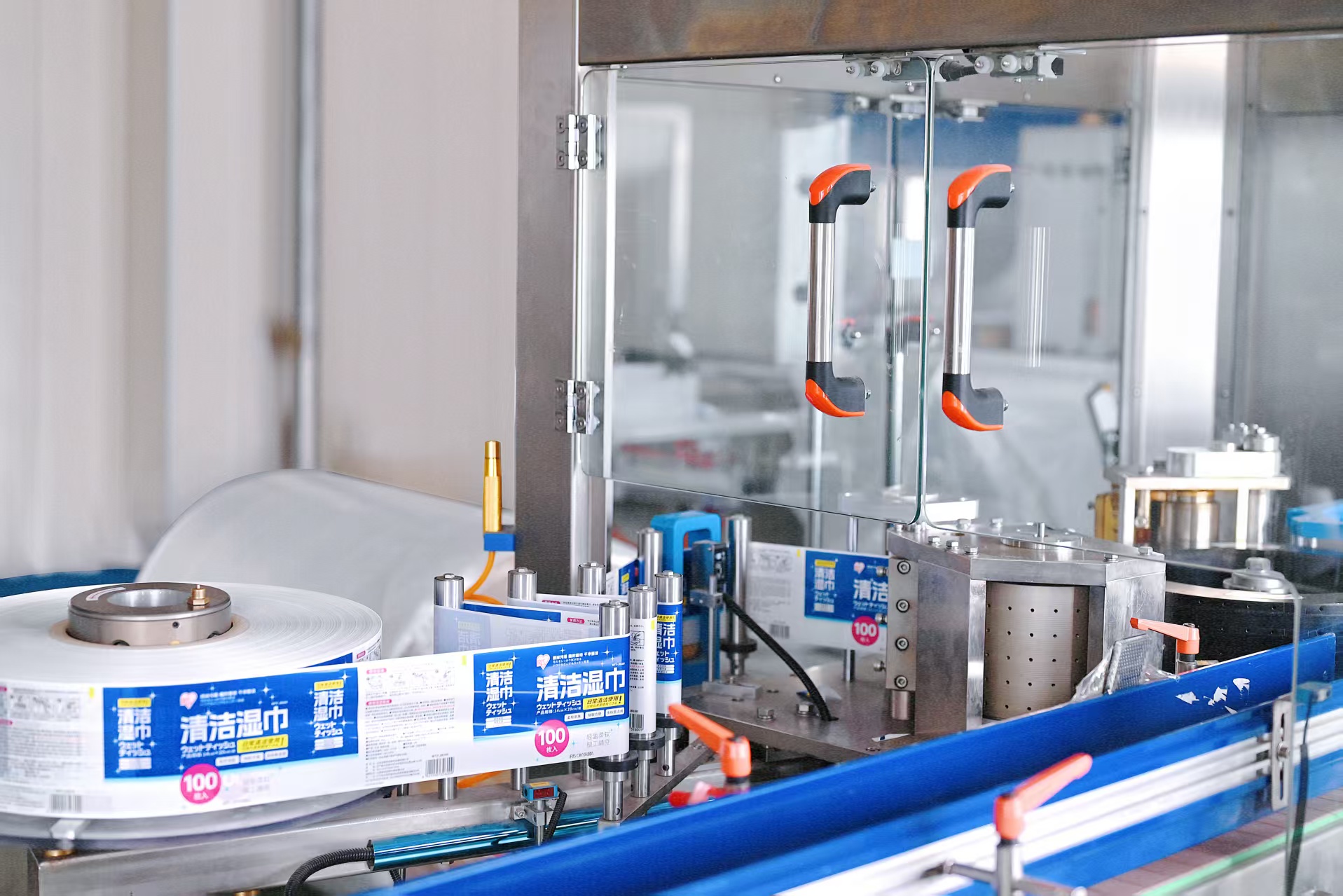
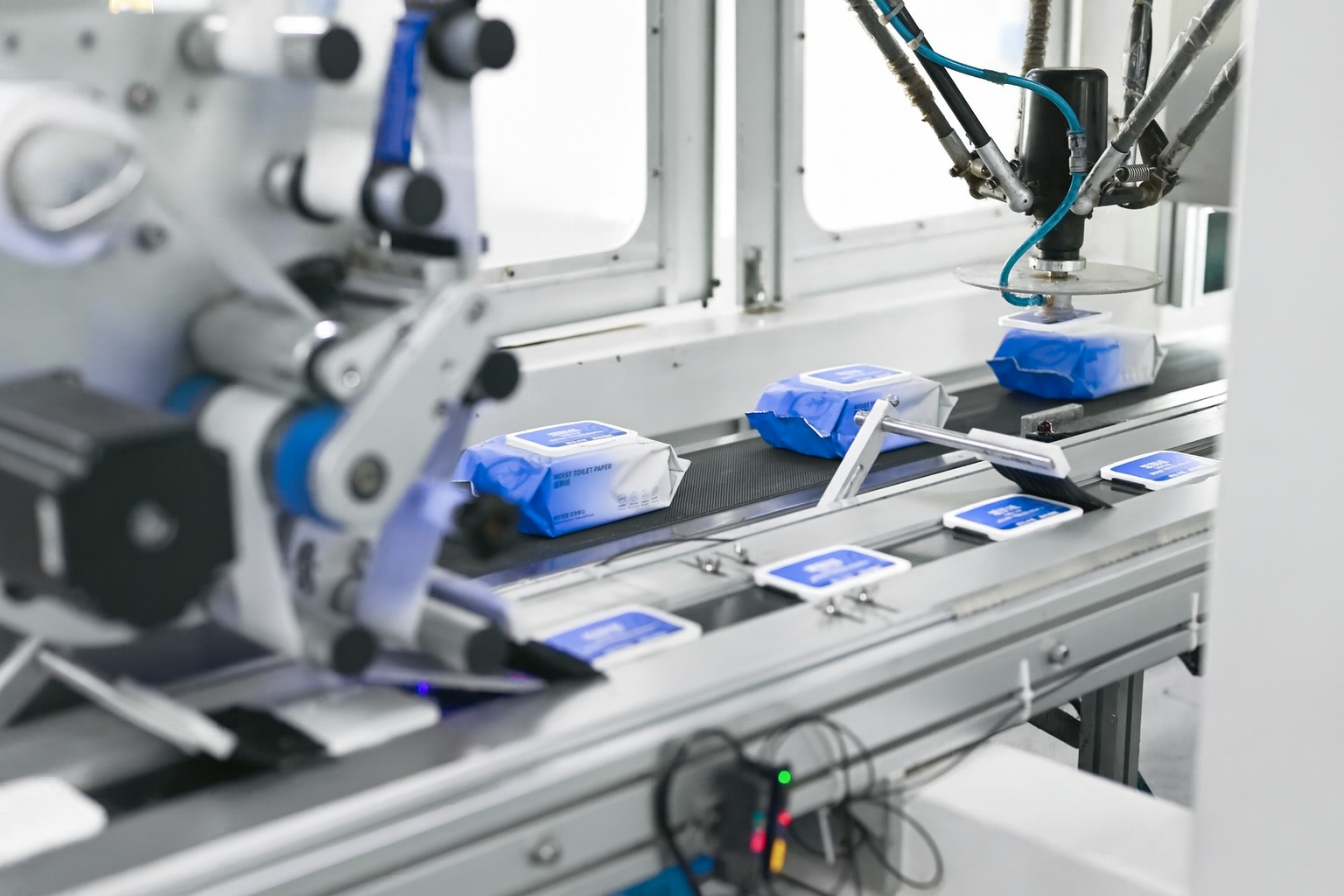
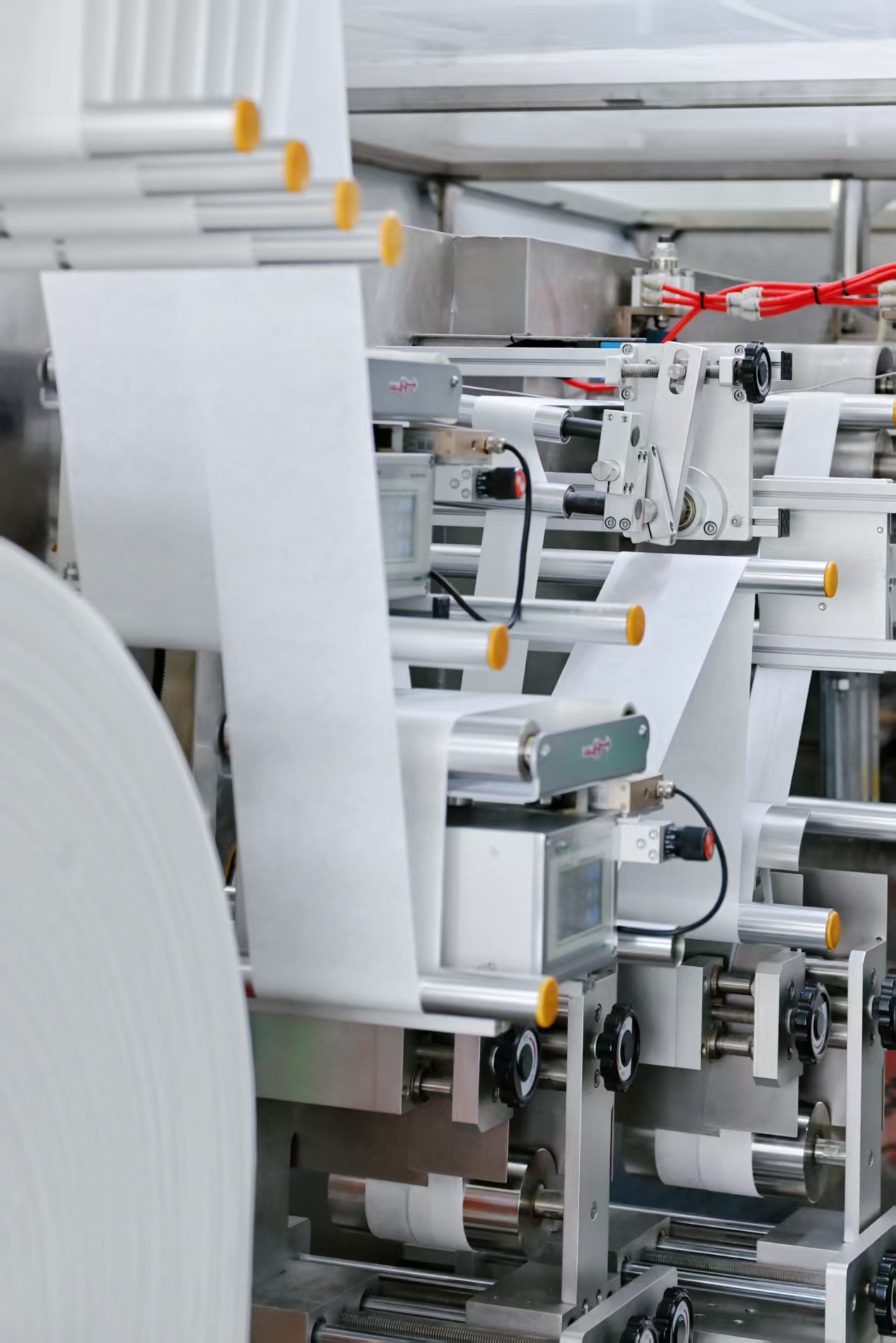
Ask what happens on the line. Class 100,000 cleanroom production, a microbiological tripartite laboratory for microbiological control, heavy metal detection during production to find and remove metal between nonwoven layers, and a sealing inspection device aimed at horizontal-seal and back-seal leakage are the controls that map directly onto the defects buyers actually receive. The company also states that equipment was upgraded with a function for removing back-sealed adhesive strips.
Step 5 — Confirm commercial terms in writing
Current stated terms are a 20,000-package MOQ, FOB delivery, and payment settled before shipment. Acceptance is defined across internal quality control, raw-material inspection, in-process inspection and finished-product inspection — four checkpoints worth naming in the purchase contract rather than leaving as a general quality clause.
Step 6 — Check the supply route for repeat orders
The plant runs 4 million packages a year from a 6,000 m² facility with 50 staff and a 10-person R&D team, and sits just over 10 minutes from the Port of Dalian — a factor the company credits with roughly 20% lower transport costs. With 70% of sales already going to Japan, Australia, Canada, the United States and Singapore, the export documentation workflow is not new for this supplier, which is usually the difference between a smooth repeat order and a first-shipment learning curve.
Use Cases: Which Model a Buyer Orders First
Japanese importer building a baby range
Start with Y02 at 150 × 200 mm and select a pack count from the 1–100 piece range that matches the local retail shelf. Confirm HS code 3401.19.000 for customs, and request cleanroom and microbiological documentation alongside the sample.
Australian pet retailer adding an eco SKU
Lead with C05 for the premium tier and fill the entry and mid tiers from C02–C04. Fix the price ladder before sampling, and request the biodegradability test documentation at the same time.
North American household brand extending a kitchen line
Specify CF001 by cleaning task, then decide whether the pack claims germ control (EPA path) or object cleaning (CPSC-associated). YW01 is the natural companion SKU for the same order.
Convenience or travel buyer testing wet toilet paper
Order S01 and S02 samples together, run the flushability and claims documentation review in parallel, and keep the launch copy on convenience until the reports are in hand. YJ01 is an add-on for pharmacy-style retail rather than for travel.
FAQ: Custom Wet Wipes for OEM Buyers
No. In the United States, intended use decides the category. Per FDA, wipes intended for cleansing or moisturizing skin — including baby-care and personal-cleansing wipes — are regulated as cosmetics, while wipes making therapeutic claims such as killing germs on skin or treating diaper rash are regulated as drugs. Wipes intended to control germs on inanimate surfaces fall under EPA regulation, and wipes used for cleaning objects are associated with CPSC oversight. That is why each model in this ranking needs its own claims review rather than a single template.
Yes for this lineup. Da lian Weijie Biotechnology Co., Ltd. produces baby wipes, pet wipes, wet toilet paper and functional wipes from a 6,000 m² plant with 50 employees, an annual output of 4 million packages and a 10-person R&D team, using Class 100,000 cleanroom production. The models covered here — Y02, C02–C05, CF001, YW01, YJ01, S01 and S02 — sit inside that range. Buyers should still confirm per-model specifications such as sheet size and pack count in writing, because the models do not share one specification.
Stated terms are a 20,000-package MOQ, FOB delivery, and payment settled before shipment. Acceptance covers internal quality control, raw-material inspection, in-process inspection and finished-product inspection. For a first order covering several models, confirm whether the MOQ applies per model or per combined shipment before the proforma invoice is issued.
Request physical samples and the matching specification sheet together. For Y02, verify the 150 × 200 mm sheet and select the pack count from the 1–100 piece range. For C05, verify the biodegradable wood pulp non-woven substrate and request the product-specific test documentation that will support the pack claim. In both cases ask for the microbiological testing and in-line inspection records that sit behind the sample, since a sample proves a sample and a control proves a process.
Export accounts for 70% of total sales, with Japan, Australia, Canada, the United States and Singapore as the main markets, and the plant is just over a 10-minute drive from the Port of Dalian — a position the company credits with roughly 20% lower transport costs. Quality controls aimed at repeatability include a microbiological tripartite laboratory, heavy metal detection during production, and a sealing inspection device that keeps defective packs from reaching customers. To discuss model fit, request samples or receive the current specification sheets, contact the manufacturer through unilibio.com or download the company profile (PDF).
Next step: match models to your market
Send your application list, target pack counts and destination market, and request samples for the models you plan to launch first.
Chengzhe Li · Email 18525541199@163.com · Tel (213) 656-5650 · WhatsApp +1 213 656 5650 · www.unilibio.com · Chat on WhatsApp · Download company profile
Conclusion
The fastest route into OEM custom wet wipes is not a bigger quote request — it is a narrower one. Fix the application, the destination market and the intended-use wording, then select the model: Y02 for baby programmes on a 150 × 200 mm sheet with 1–100 piece packs, C05 for a biodegradable pet SKU, C02–C04 for the rest of the pet shelf, S01/S02 for wet toilet paper once the documentation review is planned, CF001 for kitchen, YW01 for clothing and YJ01 for eye care.
Ranked that way, the lineup stops being a catalogue and becomes a launch sequence — backed by the cleanroom, laboratory and in-line inspection controls that let a private-label range hold its specification through repeat orders.
Have Questions or Need More Details?
Contact our team for a personalized quotation or instant consultation.
Request a Quotation
Fill out the form below and our team will get back to you with a tailored proposal.
WhatsApp Direct Chat
Prefer to chat in real-time? Message us on WhatsApp for instant assistance & quick answers.
- Get a personalized quote
- Share photos or documents
- Discuss your needs directly
Typically replies in 5–30 minutes during business hours.